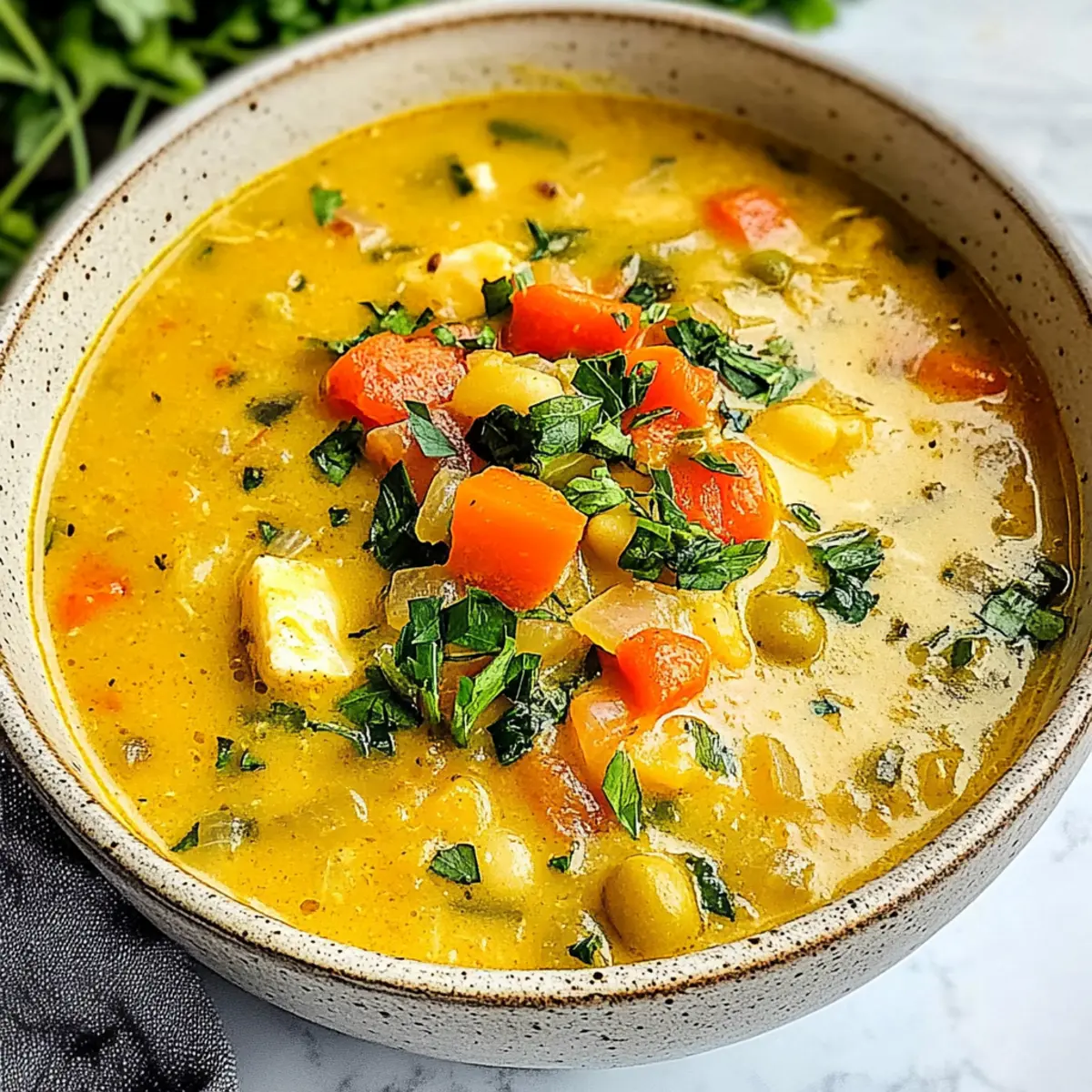
Elevate Your Bowl: Tips for Perfect Mulligatawny Soup
Mulligatawny soup, a name that rolls off the tongue with a hint of exoticism, is far more than just a soup; it's a culinary journey. Originating from the British Raj in India, where it literally translates to "pepper-water" in Tamil, this hearty and aromatic dish has evolved into countless variations, each boasting a unique blend of spices, textures, and flavors. From its humble beginnings as a simple broth served to colonial officers, mulligatawny soup has cemented its place as a beloved comfort food, celebrated for its warming spices and satisfying depth. But what truly makes a perfect bowl of this iconic soup? It’s a delicate balance of robust flavors, harmonious textures, and a touch of culinary intuition. This article will guide you through the essential tips and tricks to transform your mulligatawny from good to truly exceptional.The Heart of Mulligatawny: Understanding Its Core Components
At its essence, a truly great mulligatawny soup relies on a foundation of quality ingredients, each playing a vital role in building its complex character. Understanding these core components is the first step towards culinary mastery.- Lentils: The Unsung Hero
Most authentic mulligatawny recipes feature red split lentils. These small, quick-cooking legumes not only add a wonderful creamy texture but also contribute a subtle earthiness and significant body to the soup. They break down easily during cooking, thickening the broth naturally without the need for additional flour or starch. Ensure your lentils are fresh for optimal flavor and cooking time.
- The Flavor Foundation: Stock and Aromatics
A rich chicken or vegetable stock forms the liquid base, infusing the soup with umami. Alongside this, a potent blend of aromatics – finely diced onions, minced garlic, and grated fresh ginger – is crucial. These are typically sautéed first to release their fragrant oils, creating the initial layer of flavor upon which the entire soup is built. Don't skimp on these; their fresh pungency is key.
- Creaminess and Tang: Coconut Milk and Acid
For that signature velvety texture and a hint of sweetness, full-fat coconut milk is often incorporated towards the end of cooking. It mellows the spices and adds a luxurious richness. To balance this richness and the warmth of the spices, an acidic element like fresh lemon or lime juice, or even a touch of diced tomatoes, is essential. This brightens the overall flavor profile, preventing the soup from tasting heavy or flat. Some traditional recipes also call for diced apples, which offer both sweetness and a delicate tartness.
- Optional Additions: Chicken, Rice, and Vegetables
While often enjoyed as a vegetarian delight, shredded cooked chicken is a popular addition, adding protein and heartiness. Cooked rice, usually basmati, can be stirred in to make it a more substantial meal. Vegetables like carrots, celery, and spinach also find their way into many bowls, adding nutrients and varying textures. Remember, the quality of each ingredient directly impacts the final taste of your mulligatawny soup.
Spice Symphony: Mastering the Flavor Profile
The soul of mulligatawny soup lies in its vibrant and aromatic spice blend. Achieving the perfect "spice symphony" is where culinary artistry truly comes into play. It's not just about adding spices, but about how you treat them.- The Art of Toasting Spices:
This is perhaps the most crucial step for unlocking deep flavor. Whole spices like cumin seeds, coriander seeds, and sometimes fenugreek or mustard seeds, should be lightly toasted in a dry pan over medium heat until fragrant before grinding. This process intensifies their aroma and flavor. Ground spices, like turmeric, chili powder, and garam masala, are usually added after the aromatics have softened, allowing them to bloom in a little oil for a minute or two before liquids are introduced. This blooming process deepens their color and flavor, preventing a raw, chalky taste.
- Curry Powder vs. Individual Spices:
While a good quality curry powder can certainly yield a tasty mulligatawny, using individual spices offers greater control and allows you to tailor the flavor profile precisely. For instance, you can adjust the amount of turmeric for color and earthiness, cumin for warmth, and coriander for its citrusy notes. Experimentation is key here to find your ideal blend. If you're looking for a comprehensive guide to crafting this exquisite dish from scratch, including detailed spice recommendations, you might find immense value in reading Mastering Mulligatawny Soup: An Easy Recipe Guide.
- Balancing Heat and Sweetness:
Mulligatawny soup can range from mildly spiced to quite fiery. Fresh green chilies (slit or minced), cayenne pepper, or red chili flakes can be used to control the heat. Always add chilies gradually and taste as you go. The sweetness from coconut milk or apples often beautifully counteracts the heat, creating a more rounded and palatable experience. Don't forget a pinch of sugar or a touch of honey if your soup feels too tart or spicy. The goal is a warm, lingering heat, not an overpowering burn.
- The Power of Salt and Acid:
Salt is a flavor enhancer – it doesn't just make things salty, it makes other flavors pop. Season throughout the cooking process, tasting and adjusting. Similarly, a final squeeze of lemon or lime juice before serving can dramatically brighten and lift all the flavors in the bowl, providing that essential tang that cuts through the richness.
Texture Triumphs: Achieving the Perfect Consistency
Beyond flavor, the texture of your mulligatawny soup is paramount. It should be hearty and comforting, with a velvety smoothness punctuated by occasional tender pieces. Achieving this perfect consistency requires attention to detail.- Lentil Breakdown:
The red split lentils are your primary thickening agent. Ensure they are cooked until very tender and begin to break down, releasing their starches into the broth. If your soup seems too thin, let it simmer longer, allowing the lentils more time to dissolve. Conversely, if it becomes too thick, a splash of hot stock or water will bring it back to the desired consistency.
- Partial Blending for Depth:
Many mulligatawny aficionados prefer a soup that is partially blended, rather than entirely smooth. This method creates a luxurious, creamy base while still retaining some texture from the lentils and other vegetables. An immersion blender is ideal for this; simply blend directly in the pot, pulsing until you reach your preferred consistency. If using a standard blender, work in batches, being careful with hot liquids, and ensure you don't over-blend.
- The Role of Rice and Other Thickeners:
If you're making a version that incorporates rice, ensure it's cooked just right – tender but not mushy. It adds substance and a pleasant chewiness. Some recipes might use a small amount of rice flour or chickpea flour (besan) as a thickening agent, creating a light roux with oil before adding liquids. This can contribute to a silkier texture. However, the natural starch from lentils is often sufficient.
- Finishing Touches for Richness:
Adding coconut milk or a swirl of heavy cream at the very end of cooking contributes significantly to the soup's final texture, making it wonderfully smooth and rich. Avoid boiling the soup vigorously once dairy or coconut milk has been added, as this can sometimes cause it to separate or become grainy.
Beyond the Basics: Elevating Your Mulligatawny
Once you've mastered the foundational elements, there are numerous ways to personalize and elevate your mulligatawny soup, making each bowl uniquely yours.- Creative Protein Choices:
While chicken is a classic, don't hesitate to experiment. Leftover roasted lamb or turkey can be shredded and added. For a seafood twist, consider adding shrimp towards the end of cooking. For a robust vegetarian option, chickpeas, black-eyed peas, or even firm tofu can provide excellent protein and texture. The adaptability of mulligatawny is one of its greatest strengths.
- Vegetable Variations:
Beyond the standard carrots and celery, consider adding finely diced bell peppers for sweetness and color, chopped spinach or kale for a nutrient boost, or even chunks of sweet potato or butternut squash for added richness and a different flavor profile. Remember that some versions of this classic soup famously include diced apples, a nod to its colonial roots and an intriguing fruity counterpoint to the spices. To truly appreciate how this soup has traveled through time and culture, delving into The Spicy Story: Uncovering Mulligatawny Soup's Origins provides fascinating context.
- Garnishes Galore:
A perfectly garnished bowl of mulligatawny isn't just visually appealing; it enhances the overall eating experience. Fresh cilantro or mint leaves add a burst of freshness. A dollop of plain yogurt or sour cream provides a cooling contrast to the spices. Toasted nuts like cashews or almonds add a delightful crunch. Fried shallots or crispy curry leaves can introduce an extra layer of savory depth and texture. A final squeeze of lime or lemon juice is always recommended for that bright finish.
- Serving Suggestions:
Mulligatawny soup is incredibly versatile in how it can be served. It makes a substantial meal on its own, perhaps with a side of warm naan bread or crusty artisanal bread for dipping. It can also be served as a starter, especially a slightly thinner version. Some enjoy it over a bed of fluffy basmati rice, turning it into a complete, comforting main course.
