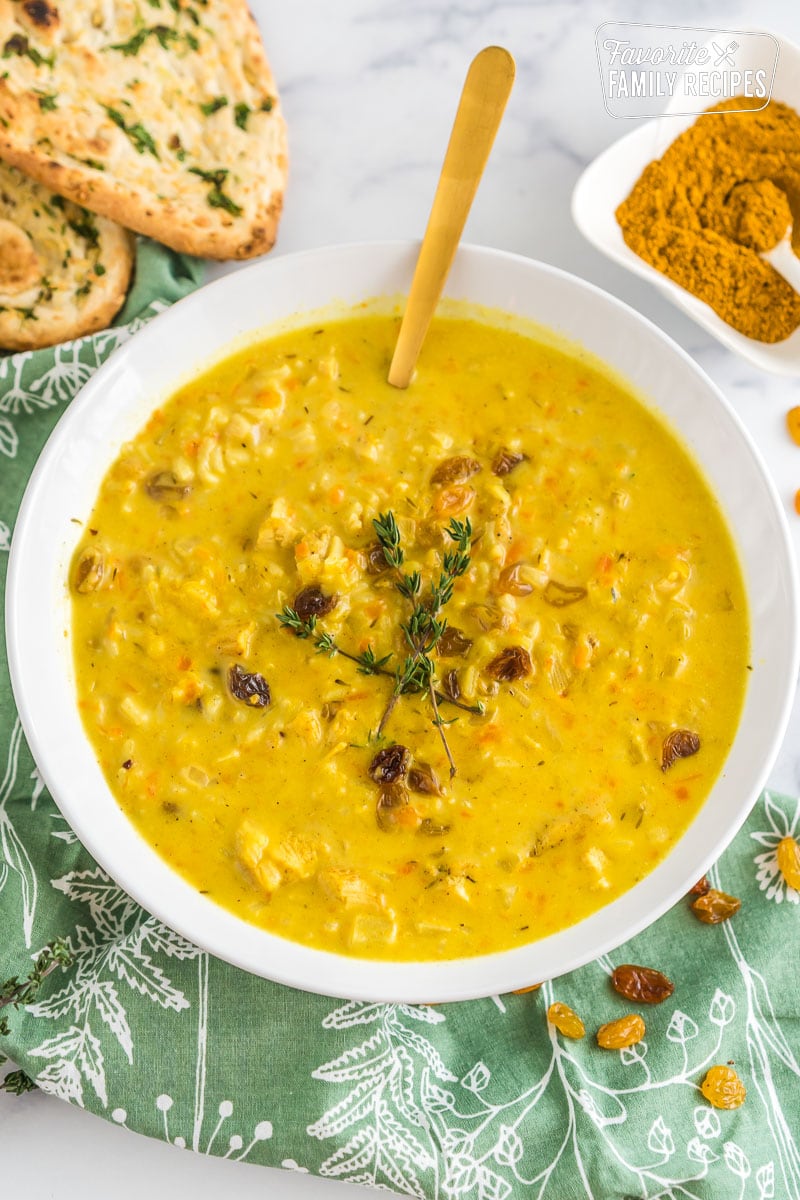
Step into the vibrant world of aromatic spices, rich broths, and hearty ingredients, and you'll inevitably arrive at the masterpiece that is Mulligatawny Soup. This captivating dish, with its exotic name and comforting presence, has charmed palates across the globe for centuries. Often associated with the warmth and complexity of Indian and British culinary traditions, Mulligatawny isn't just a soup; it's a culinary experience – a symphony of sweet, sour, spicy, and savory notes that dance on your tongue. If you've ever been intimidated by its reputation, prepare to have your preconceptions shattered. We're here to prove that mastering Mulligatawny in your own kitchen is not only achievable but immensely rewarding. This guide will walk you through a simple yet authentic recipe, ensuring that even novice cooks can create a bowl of this golden goodness that tastes like it came straight from a gourmet kitchen.
What is Mulligatawny Soup? A Culinary Journey
At its heart, Mulligatawny Soup is a flavorful, often spiced, and typically thick soup of South Indian origin. The name itself is a portmanteau of Tamil words: "milagu" (pepper) and "thanni" (water/broth), translating literally to "pepper water." This humble beginning hints at its roots as a simple broth served to British colonial officers in India who desired a soup course for their meals, adapting local lentil and spice broths to suit their tastes. Over time, it evolved from a thin, peppery concoction to the richer, more complex dish we know today, incorporating a diverse range of vegetables, meats (often chicken or lamb), lentils, rice, and a vibrant array of spices like turmeric, cumin, coriander, and curry powder.
What makes Mulligatawny truly stand out is its unique flavor profile. It expertly balances the warmth of ginger and garlic, the pungency of curry spices, the tang of lemon or tamarind, and the subtle sweetness of ingredients like apples or carrots, often finished with a touch of coconut milk or cream for a luxurious texture. It's a testament to fusion cuisine, a delicious bridge between cultures. To delve deeper into its fascinating heritage, be sure to read The Spicy Story: Uncovering Mulligatawny Soup's Origins.
Why You'll Love Making Mulligatawny Soup at Home
There's an unparalleled satisfaction that comes with creating a dish that's both exotic and comforting. Making your own homemade Mulligatawny Soup offers several compelling advantages:
- Customization at Your Fingertips: Are you a fan of extra heat? Add more cayenne pepper. Prefer a vegetarian option? Swap chicken for lentils or chickpeas. Want it thicker? Mash some of the vegetables or lentils. When you cook at home, you're the chef, and the recipe is merely a guideline.
- Healthier Choices: Store-bought soups can often be laden with sodium and preservatives. By making your own, you control every ingredient, ensuring a wholesome, nutritious meal. It’s packed with vegetables, lean protein (if you choose chicken), and beneficial spices.
- Impressive Yet Easy: Despite its sophisticated flavor, a good mulligatawny soup recipe is surprisingly straightforward. The most time-consuming part is often just the chopping, and then it's mostly a matter of simmering. Your guests will be amazed by your culinary prowess, and you'll know just how simple it was.
- Ultimate Comfort Food: There’s something inherently soul-warming about a well-made soup. Mulligatawny, with its fragrant spices and hearty ingredients, is the perfect antidote to a chilly day or a busy week, offering a bowlful of restorative comfort.
- Budget-Friendly: Made with common pantry staples and affordable ingredients, preparing this soup at home is far more economical than dining out or purchasing gourmet ready-made versions.
The Essential Mulligatawny Soup Recipe: Your Step-by-Step Guide
Ready to embark on your Mulligatawny adventure? This recipe aims for a balanced, flavorful, and easy-to-follow approach, suitable for beginners and seasoned cooks alike. Our focus will be on a hearty, chicken-based version, but we'll provide notes for vegetarian alternatives.
Ingredients You'll Need:
For the Soup Base:
- 1 tablespoon olive oil or coconut oil
- 1 large onion, chopped
- 2 carrots, peeled and diced
- 2 celery stalks, diced
- 1 apple (Granny Smith or Fuji works well), peeled, cored, and diced
- 1 inch fresh ginger, grated or minced
- 3 cloves garlic, minced
- 1 tablespoon mild curry powder (or medium, depending on preference)
- 1 teaspoon ground turmeric
- ½ teaspoon ground cumin
- ¼ teaspoon cayenne pepper (optional, for extra heat)
- 6 cups chicken or vegetable broth
- 1 (14-ounce) can full-fat coconut milk
- ½ cup red lentils, rinsed
- ½ cup uncooked white rice (Basmati or Jasmine recommended), rinsed
- 1 tablespoon fresh lemon juice, plus more to taste
- Salt and freshly ground black pepper to taste
For the Chicken (if using):
- 1 ½ cups cooked chicken, shredded or diced (rotisserie chicken works great, or boil/bake 1 chicken breast beforehand)
Optional Garnishes:
- Fresh cilantro, chopped
- A dollop of plain yogurt or sour cream
- Toasted slivered almonds
- Lime wedges
Step-by-Step Instructions:
- Sauté Aromatics: In a large heavy-bottomed pot or Dutch oven, heat the oil over medium heat. Add the chopped onion, carrots, and celery. Cook, stirring occasionally, until the vegetables begin to soften, about 5-7 minutes.
- Add Ginger, Garlic, and Apple: Stir in the grated ginger, minced garlic, and diced apple. Cook for another 2-3 minutes until fragrant.
- Introduce Spices: Add the curry powder, turmeric, cumin, and cayenne pepper (if using). Cook for 1 minute, stirring constantly, to toast the spices and release their aroma. This step is crucial for developing depth of flavor.
- Deglaze and Simmer: Pour in the chicken or vegetable broth, scraping up any browned bits from the bottom of the pot. Add the rinsed red lentils and rinsed rice. Bring the mixture to a boil, then reduce the heat to low, cover, and simmer for 20-25 minutes, or until the lentils and rice are tender. Stir occasionally to prevent sticking.
- Stir in Coconut Milk and Chicken: Once the lentils and rice are cooked, stir in the full-fat coconut milk and the cooked, shredded chicken (if using). Heat through gently for another 5 minutes, ensuring the soup doesn't come to a rolling boil after adding the coconut milk, which can cause it to separate.
- Season and Finish: Remove the soup from the heat. Stir in the fresh lemon juice. Taste and adjust seasonings, adding salt and black pepper as needed. You might want a little more lemon juice for extra tang or a pinch more cayenne for heat.
- Serve: Ladle the hot Mulligatawny Soup into bowls. Garnish with fresh cilantro, a dollop of yogurt, toasted almonds, or a lime wedge, if desired. Serve immediately and enjoy the complex layers of flavor!
Vegetarian/Vegan Note: For a delicious vegetarian mulligatawny soup, simply omit the chicken and use vegetable broth. Increase the amount of lentils to 1 cup, or add 1 cup of canned chickpeas (rinsed and drained) along with the coconut milk. For a vegan version, ensure your curry powder doesn't contain dairy (most don't) and skip the yogurt garnish.
Tips for Elevating Your Mulligatawny Soup
While the recipe above yields a fantastic bowl of Mulligatawny, there are always ways to fine-tune and personalize your creation. Don't be afraid to experiment!
- Spice Level: Adjust the cayenne pepper to your preference. For more heat, add a fresh green chili, minced, along with the ginger and garlic. For less, omit the cayenne entirely.
- Protein Variations: Instead of chicken, consider using cooked lamb or turkey. For plant-based options, extra lentils, chickpeas, or even firm tofu can be wonderful additions.
- Vegetable Medley: Feel free to add other vegetables like bell peppers, spinach (stirred in at the very end), or even sweet potatoes (add with the carrots).
- Thickening Agents: If you prefer a thicker soup, you can blend about a third of the soup with an immersion blender before adding the chicken and coconut milk, or simply mash some of the softened vegetables with a fork against the side of the pot.
- Tang Factor: If you don't have fresh lemon, a splash of apple cider vinegar or even a small amount of tamarind paste (diluted in warm water) can provide the necessary tang.
- Make Ahead Magic: Mulligatawny Soup often tastes even better the next day, as the flavors have more time to meld. It stores well in the refrigerator for up to 3-4 days and freezes beautifully for up to 3 months.
- Garnish Galore: Beyond cilantro, consider crispy fried onions, a drizzle of chili oil, or a sprinkle of toasted desiccated coconut for added texture and flavor.
For even more creative ideas and expert advice on perfecting your bowl, take a look at Elevate Your Bowl: Tips for Perfect Mulligatawny Soup.
Mastering Mulligatawny Soup is more than just following a recipe; it's about understanding the harmony of its ingredients and tailoring it to your own taste. With this comprehensive guide, you now have all the tools and knowledge to create a truly spectacular pot of this iconic soup. From its humble origins as "pepper water" to the rich, complex dish it is today, Mulligatawny offers a culinary adventure that is both comforting and exhilarating. So, gather your spices, chop your vegetables, and prepare to fill your kitchen with the enticing aromas of this glorious soup. Your taste buds, and anyone lucky enough to share a bowl with you, will thank you.
